
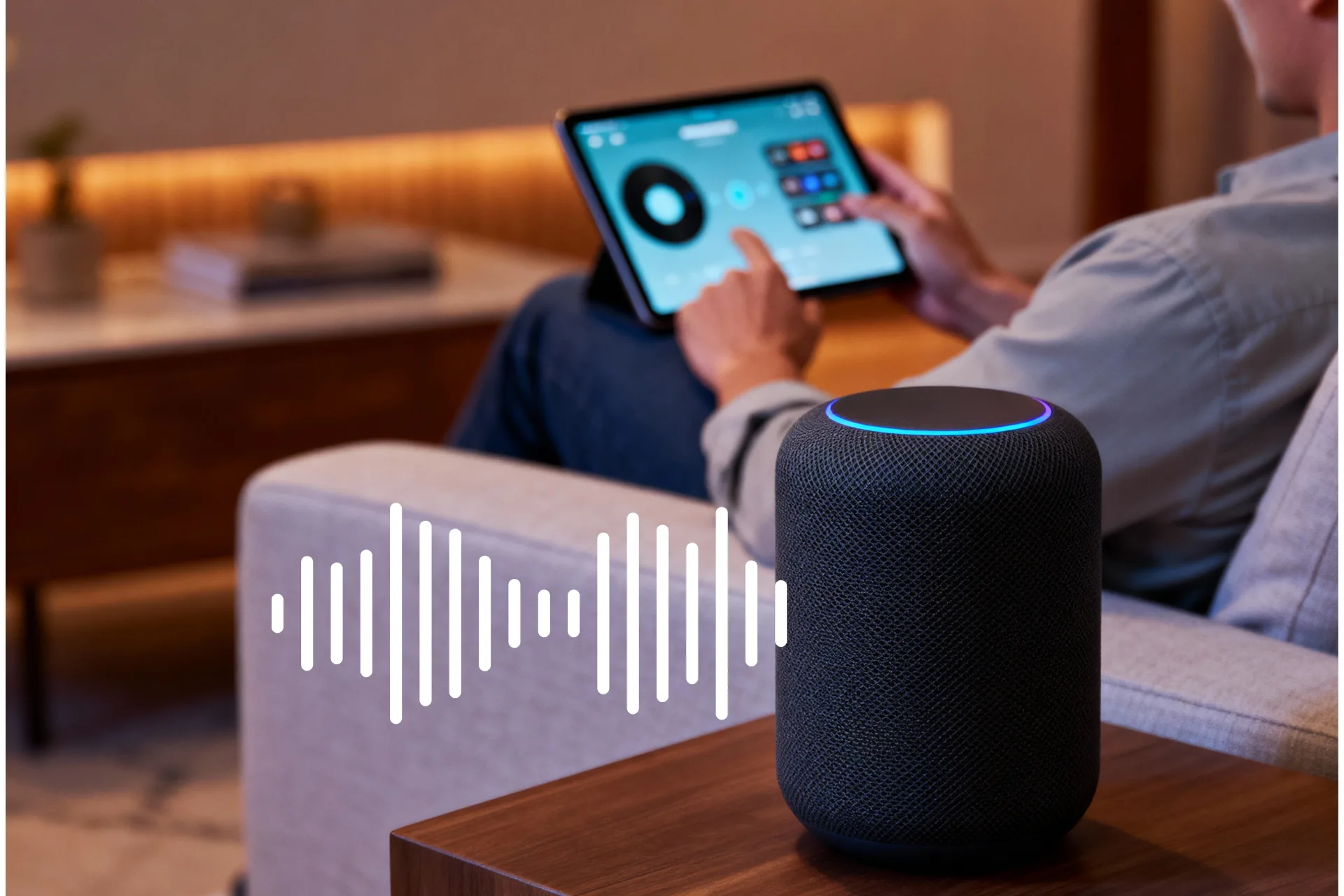

Take a moment to think about your day so far. You may have spoken to a voice assistant to check the weather. You might have chatted with a customer service bot to track an order. You probably received automated emails, reminders, or notifications. Without realizing it, many of our daily “conversations” now happen with machines.
Technology has made life easier in many ways. We get faster answers, quicker service, and support at any time of day. But this raises an important question: are we slowly talking to machines more than we talk to real people?
How Conversations Have Changed
Not long ago, most customer interactions happened face to face or over the phone. If you had a problem, you called a company and spoke to someone directly. If you wanted information, you visited an office or asked a staff member.
Today, things work differently. We message businesses on apps. We interact with automated systems. We fill in forms and chat with bots before reaching a human, if we reach one at all.
For many people, this feels normal. Digital communication has become part of everyday life. It is fast, convenient, and often more efficient than waiting in a queue or holding on a phone line.
At the same time, it has changed the way we experience conversations.
Why We Rely More on Machines
There are clear reasons why machines have become our main point of contact.
First, they are always available. A chatbot does not sleep. A voice system does not take breaks. Customers can get help at midnight just as easily as at noon.
Second, they are fast. Automated systems can answer basic questions in seconds. No waiting, no transfers, no long explanations.
Third, they are scalable. One system can handle thousands of conversations at the same time. For businesses, this makes support more affordable and easier to manage.
From a practical point of view, this makes sense. Companies want to serve more customers efficiently, and customers want quick answers.
What We Lose Along the Way
While machines offer speed and convenience, they lack something important: emotional understanding.
A human can hear frustration in your voice, can sense confusion, can show empathy when something goes wrong. Machines, no matter how advanced, still struggle with this.
When customers deal only with automated systems, they sometimes feel ignored, misunderstood, or dismissed. They may receive correct information, but not emotional reassurance.
Over time, this can affect trust. People want to feel heard, not processed.
Another issue is that conversations become more transactional. Instead of explaining a situation in your own words, you adapt to the system. You choose from menus, you simplify your problem, you learn how to “talk to the machine” rather than speak naturally.
This shifts the balance. Technology starts shaping human behavior, instead of supporting it.
The Business Perspective
From a business point of view, automation is not the enemy. In fact, it is often necessary.
Without technology, many companies would struggle to handle growing demand. Support teams would burn out. Costs would rise. Response times would slow down.
The real question is not whether businesses should use machines, but how they use them.
When companies rely only on automation, they risk losing the personal connection that builds loyalty. When they ignore technology, they risk falling behind.
The best approach sits in the middle.
Finding the Right Balance
Strong customer experience today is built on collaboration between humans and machines.
Machines should handle repetitive, simple, and time-consuming tasks. Checking order status. Resetting passwords. Booking appointments. Answering common questions.
Humans should focus on complex, emotional, and sensitive situations. Complaints. Special requests. Unusual problems. Relationship building.
When designed well, this balance works beautifully. Customers get fast help for simple needs and real support when it matters most.
Technology becomes a tool, not a replacement.
What Customers Really Want
Most customers do not care whether they are talking to a bot or a person. They care about three things:
- They want to be understood.
- They want problems solved.
- They want to feel respected.
If a machine can do that, customers are happy. If it cannot, they want access to a human.
The frustration starts when systems block that access. When customers feel trapped in loops. When they cannot explain their situation properly. When there is no clear way to reach someone.
At that point, technology stops being helpful and starts being a barrier.
Looking Ahead
We will continue talking to machines more in the future. That is inevitable. AI will become more advanced. Systems will become more natural. Conversations will feel smoother.
This is not something to fear. It is something to guide.
Businesses, designers, and leaders have a responsibility to use technology thoughtfully. The goal should not be to replace human connection. The goal should be to protect it.
When technology frees people to focus on what matters, everyone benefits.
Final Thoughts
So, are we talking to machines more than people now?
In many ways, yes.
But that does not have to mean we lose human connection. With the right approach, machines can handle the routine, while humans handle the meaningful.
The future of communication is not about choosing between people and technology. It is about making sure they work together to serve customers better.
Because at the end of every conversation, there is still a person who wants to be heard.