
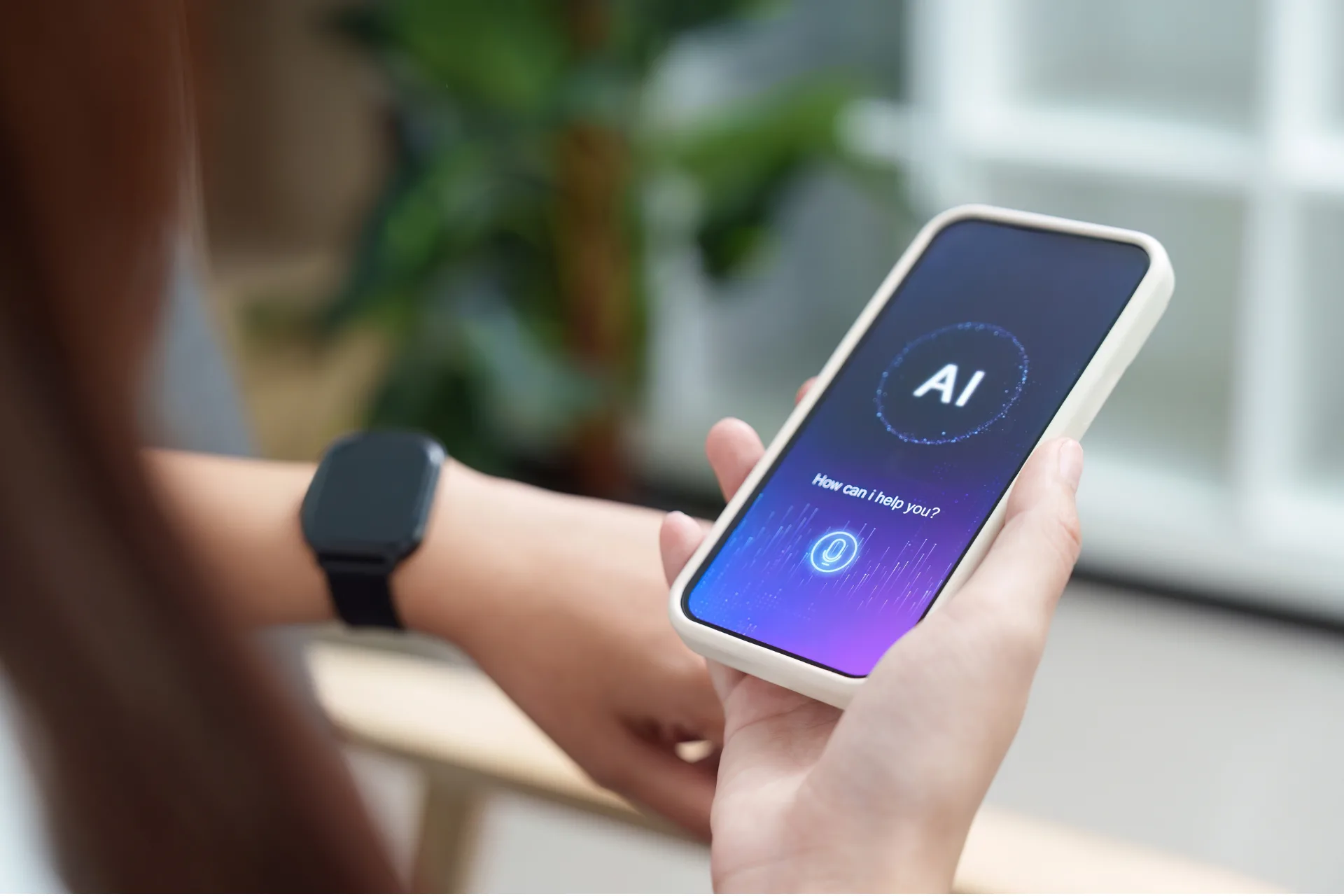

An AI voice bot uses Natural Language Processing to handle telephone conversations with callers. It reduces customer service operating costs by up to 60 percent. The software answers calls instantly 24/7. It also integrates with CRM systems to manage routine inquiries without human agents.
How does virtual voice automation work in support?
An AI voice bot is an automated voice support solution. It uses speech recognition to converse with callers in real time.
Traditional IVR systems force customers to press keypad buttons. In contrast, modern automated assistants understand natural spoken language. The software interprets user intent and delivers clear spoken answers. The system handles tasks like order tracking and account updates automatically.
What makes intelligent voice software different from IVR menus?
Traditional IVR systems rely on rigid menu trees. Callers must listen to long recordings and push keypad buttons. This structure often frustrates customers when their issue is not listed.
Conversational voice assistants allow callers to speak naturally in full sentences. The system processes language instantly. It asks clarifying questions and pulls live information from your database. This eliminates manual menus and reduces call handling times significantly.
What financial savings can businesses expect?
Deploying voice automation typically reduces phone support costs by 30 to 60 percent. These financial savings stem from several key factors:
- Lower Cost per Call: Handling a routine call with automation costs a fraction of a human agent.
- Reduced Agent Turnover: Automating repetitive inquiries prevents support agent burnout and lowers hiring costs.
- Zero Overtime Pay: Automated systems operate 24/7 without requiring night-shift differential pay or holiday rates.
Can these systems connect with existing CRM software?
Yes, modern smart voice solutions connect directly to enterprise CRM platforms and booking software. They use secure Application Programming Interfaces (API) to exchange data instantly.
The software identifies the caller’s phone number upon connection. It retrieves their account history and checks live booking calendars. Once the call ends, the system logs summary notes directly into the customer record.
What happens when complex issues arise during a call?
The system executes a warm transfer if a caller needs complex help. It routes the call directly to a live customer service representative.
During this transition, the software passes the full transcript to the human agent. The representative receives all context on their screen immediately. As a result, callers never need to repeat their information.
How are multi-language callers supported?
Callers first select their preferred language through an initial IVR menu (e.g., “Press 1 for English, 2 for Bahasa Melayu, 3 for Mandarin”). The call is then routed to a dedicated AI agent configured specifically for that chosen language. While the AI model can understand input in multiple languages, it will always respond in the designated language assigned to that agent. This ensures clear, accurate, and structured multi-language support without needing extra staff.
Are automated call assistants right for SMEs?
Yes, smart voice tools are scalable and effective for small businesses.
Smaller companies often miss calls during peak operating hours or after business hours. This missed coverage leads directly to lost sales opportunities. A hybrid setup combines automated answering with human agents. This gives smaller businesses enterprise-level call availability at an affordable cost.
How long does deployment and training take?
A standard deployment takes two to four weeks. The implementation process follows four clear steps:
- Knowledge Base Creation: Convert existing call transcripts and support documents into structured answers.
- Workflow Mapping: Define call escalation rules, CRM triggers, and live agent handoff protocols.
- Integration and Testing: Connect API endpoints and run simulated call tests.
- Deployment and Optimization: Launch live call handling and continuously refine speech models.
CALLMARK Solutions provides custom AI voice bot receptionist services built around your specific workflows. We integrate systems seamlessly to manage your peak call volumes effectively. Our voice automation helps businesses answer calls instantly and resolve inquiries 24/7. Complex requests route smoothly to live agents. This ensures no customer stays on hold and every caller receives immediate support.