
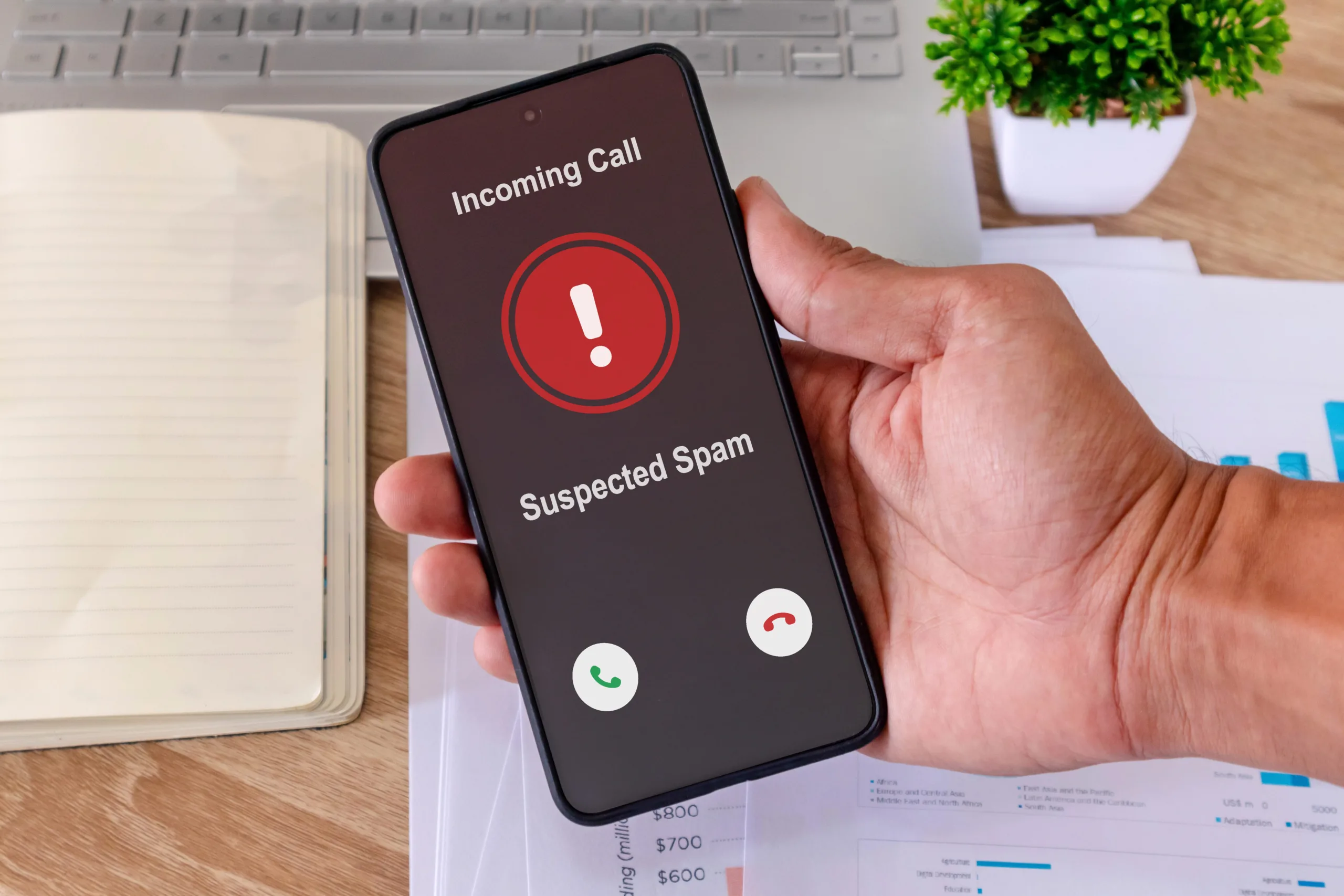

Short Answer: Scam calls in Malaysia have made many people ignore or doubt calls from unknown numbers. Legitimate businesses can still get answered by being easy to verify. Say who you are and why you are calling in the first few seconds. Never ask for passwords, OTPs or banking details. Always give the person a way to check that you are real.
What is happening with scam calls in Malaysia right now?
The Malaysian Communications and Multimedia Commission (MCMC) worked with telecommunications providers to fight scam calls. Together, they blocked 101.66 million scam or spoof calls between February and August 2026. MCMC carried this out through the Inter Operator Spoofing Gateway, which has been running since the start of 2026. According to the Deputy Communications Minister, scammers based overseas use caller ID spoofing. This makes their calls look like they come from local numbers.
The losses are serious. In a written parliamentary reply, the Home Ministry said Malaysians lost RM5.37 billion to online scams between 2024 and May 2026. Telecommunications-related scams made up RM1.54 billion of that, or 28.7%.
Why does this affect honest businesses?
Officials keep warning people to be careful with unknown calls, so people grow careful with every call, including real ones. As a result, a customer who would have been happy to hear from you may now ignore the call. They might let it ring out, hang up early, or assume you are a scammer. For businesses that depend on phone follow-ups, this means fewer answered calls and shorter conversations.
How can a business make its calls easier to trust?
- Introduce yourself clearly. Say your name, your company and the reason for the call within the first few seconds.
- Never ask for sensitive details. A legitimate sales or service call should never ask for passwords, OTP codes, PINs or bank transfers over the phone.
- Give a way to verify you. Point the customer to your official website, your listed office number or your Google Business Profile. You can also offer to send an email from your company address.
- Keep your numbers consistent. Calling from the same recognisable numbers helps repeat customers know it is you.
- Warn existing customers before you call, when possible. A short email or message from your official account, saying someone will call, makes the call expected instead of surprising.
- Respect a no. If someone asks you to stop calling, record it right away. Make sure no one on your team calls that number for marketing again. Under Malaysia’s Personal Data Protection Act, individuals can object to businesses using their personal data for direct marketing.
- Train your callers to stay calm when a customer asks, “Is this a scam?” A patient answer, plus an offer to verify, builds more trust than sounding offended.
What should someone do if they are unsure about a call?
The safest step is to hang up and call the company back, using the number on its official website. Do not use a number the caller gives you. You can also report suspicious calls and numbers to official channels, such as MCMC’s complaint channels or the National Scam Response Centre (NSRC).
How does CALLMARK Solutions approach this?
CALLMARK Solutions provides inbound and outbound call services for Malaysian businesses. Because customers today are more cautious, every call should be easy to recognise, easy to verify, and respectful of the person’s time and choices. If your team is struggling to get calls answered, we can help you review your scripts and calling process.
Frequently Asked Questions
Why are fewer people answering business calls?
Since MCMC blocks millions of scam calls each year, many people have learned to ignore unknown numbers. As a result, this affects genuine businesses as well as scammers.
Can a genuine business be mistaken for a scammer?
Yes. A call from an unknown number can sound suspicious if it does not clearly explain who is calling and why. However, a clear introduction and a way to verify reduce this risk.
Should a business ever ask for an OTP over the phone?
No. Asking for OTPs, passwords or PINs is a common scam tactic, so legitimate businesses should avoid it completely.
Sources
The Star, 27 September 2026: https://www.thestar.com.my/news/nation/2026/09/27/over-100-million-spoof-calls-blocked-by-mcmc-from-february-to-august
New Straits Times, 28 September 2026: https://www.nst.com.my/amp/news/nation/2026/09/1542528/mcmc-blocked-10166m-spoof-calls-over-seven-months
Newswav, 15 July 2026 (Home Ministry figures): https://newswav.com/article/government-reveals-90-of-scam-losses-linked-to-investment-telecom-and-e-fin-A2607_EeBn5D
#CALLMARKSolutions #TelemarketingMalaysia #ScamAwareness